Bridges are more than roads that cross rivers—they are remarkable engineering achievements that connect communities and ideas. If you want to inspire young minds, finding the best bridge books for kids is a fantastic way to introduce real-world engineering before tackling a hands-on STEM challenge. Every book on this list is personally hand-selected; I have used them for read-alouds at home with my own child and highly recommend them for our LEGO group.
Disclosure: This post may include affiliate links. If you buy through a link, Read Build Discover may earn a small commission at no extra cost to you.
Quick Guide
- Best for Preschoolers: Bridges: A Nonfiction Picture Book About Bridges Around the World by Marc Majewski
- Best for Early Elementary: This Bridge Will Not Be Gray by Dave Eggers
- Best for Upper Elementary: Science Comics: Bridges by Dan Zettwoch
- Best for Advanced LEGO Builders: The LEGO Engineer by Jeff Friesen
- My Absolute Favorite: This Bridge Will Not Be Gray by Dave Eggers
Best Bridge Books for Preschool and Early Elementary (Ages 4-7)
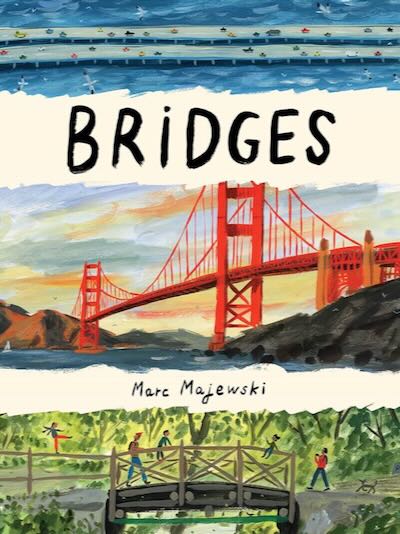
Bridges: A Nonfiction Picture Book About Bridges Around the World by Marc Majewski
This beautifully illustrated book introduces famous bridges and shows how they connect cultures. The sparse language and stunning artwork make it an excellent first introduction to the topic.
Best for: Ages 3–6
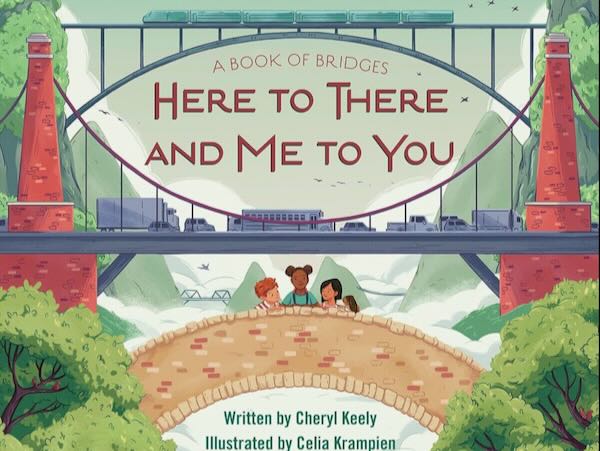
A Book of Bridges: Here to There and Me to You by Cheryl Keely
A lovely combination of sweet poetry and real-world facts about bridges from around the globe. A wonderful introduction for young builders.
Best for: Ages 3-6
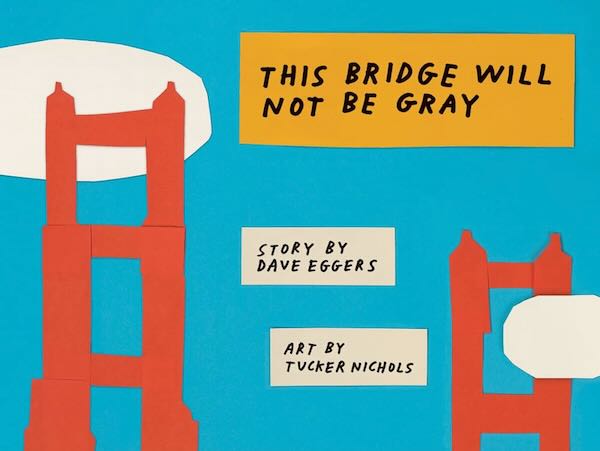
This Bridge Will Not Be Gray by Dave Eggers
This is hands-down my favorite book on the list. It tells the true story of how the Golden Gate Bridge came to be its brilliantly unique color. The text is lengthy but peppered with humor. It features beautiful cut-paper art an carries and inspiring message: use your voice and dare to be different!
Best for: Ages 6-9
Best Bridge Books for Elementary Students (Ages 8 – 12)
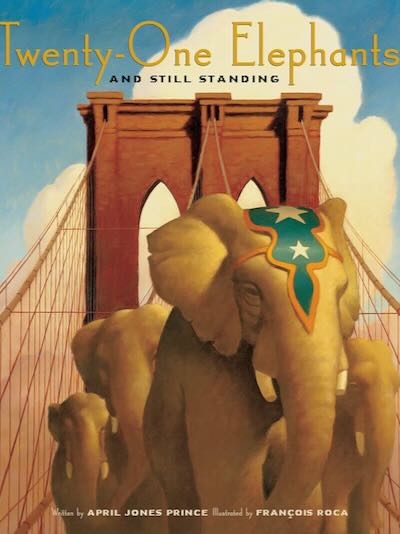
Twenty-One Elephants and Still Standing by April Jones Prince
When the Brooklyn Bridge opened, people feared it would collapse. To prove its strength, P.T. Barnum famously marched 21 elephants across it. Although the sing-song rhyming pattern can feel distracting at times, the book successfully brings a real historical event to life. It’s a great lead-in to a hands-on LEGO weight-testing challenge.
Best for: Ages 6-10
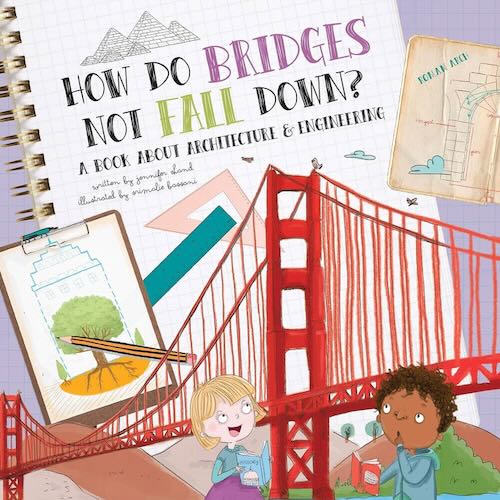
How Do Bridges Not Fall Down? A Book About Architecture and Engineering by Jennifer Shand
This book goes beyond bridges; it is a great starting point for children who want to know why skyscrapers and bridges stay up. The text covers a wide range of topics that are perfect for a young, aspiring engineer, though the content may feel slightly dense for a casual reader.
Best for: Ages 7 -11
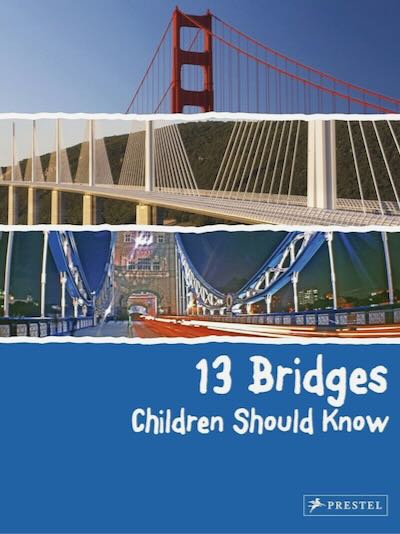
13 Bridges Children Should Know by Brad Finger
This book balances clear information with engaging visuals without becoming too dense. It builds a helpful vocabulary of famous structures and situates them into a historical timeline. It is an excellent resource for connecting hands-on activities, like LEGO building, to real structural science.
Best for: Ages 7-12
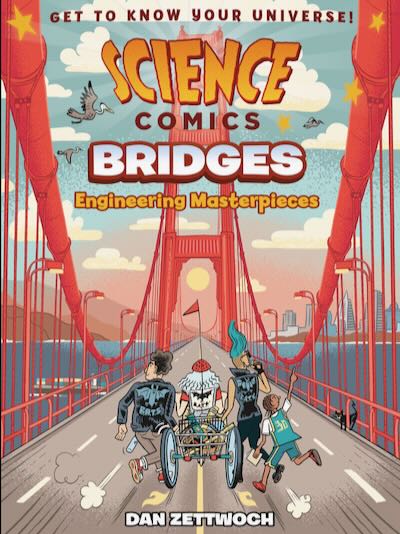
Science Comics: Bridges by Dan Zettwoch
This engaging graphic novel introduces structural engineering fundamentals and iconic bridges through detailed comic illustrations. By personifying the four major bridge types as main characters, the book successfully explains complex physics to young readers. It is highly recommended and has proven to captivate a primary school audience.
Best for: Ages 7-12
Real-World Application & Project Books
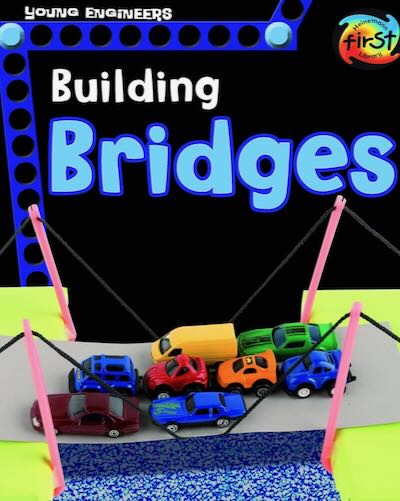
Building Bridges (Young Engineers) by Tammy Enz
A practical collection of hands-on bridge building activities. This book directly extends the physical engineering concepts introduced in the STEM challenge.
Best for: Ages 5-10
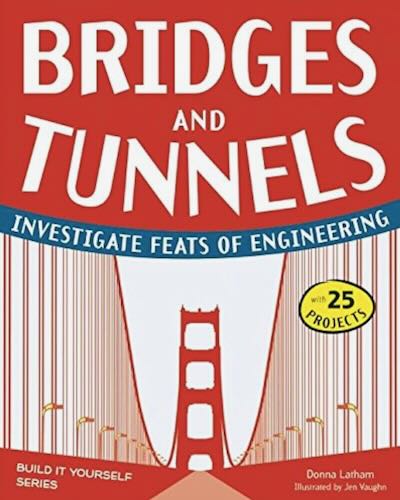
Bridges and Tunnels: Investigate Feats of Engineering by Donna Latham
A comprehensive, project-based resource packed with 25 experiments, ideal for educators looking to introduce engineering basics and bridge enrichment activities.
Best for: Ages 8-12

The LEGO Engineer by Jeff Friesen
While it covers more than just bridges, this book teaches real engineering concepts using LEGO bricks. It shows older kids how structural weight is carried and how think like a professional designer before snapping bricks together.
Best for: Ages 9+
These books serve as excellent choices for a read-aloud, reading assignment, or extension activity. Pair them with The LEGO Bridge Challenge: A Hands-on Lesson in Span and Strength to create a seamless literacy connection.